

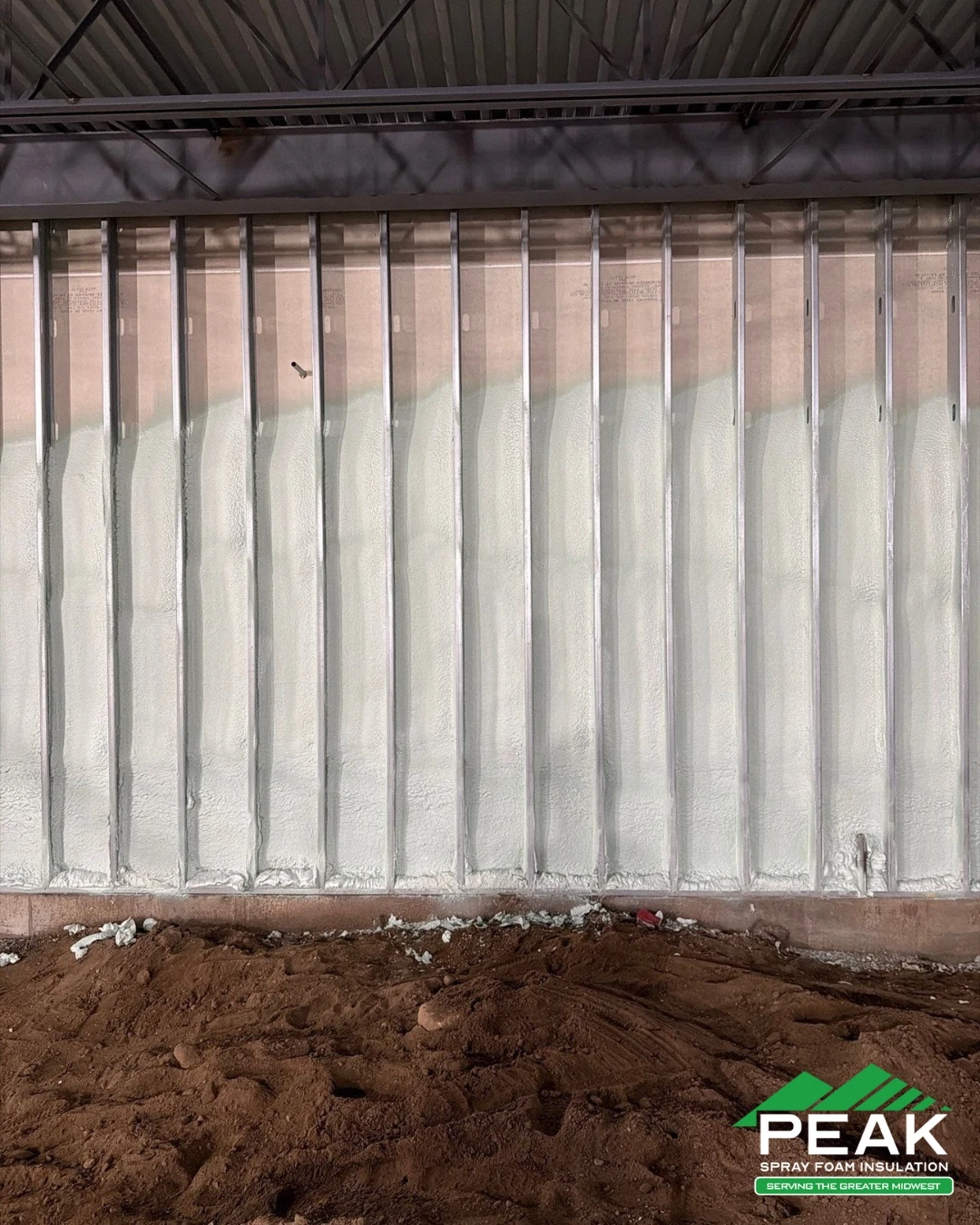
Most homeowners see a closed-cell spray foam installation cost of about $1.00 to $1.50 per board foot. Total projects typically range from $2,000 on the low end to $200,000 on the high end, with an average project around $25,000. Your final price depends on how much area you spray and how thick the foam goes. A closed-cell spray foam pricing guide can provide further context on the factors that influence project costs.
Before comparing quotes, you need to know what you’re paying for. Installers measure foam by volume, not just area, so depth changes everything.
One board foot is 1 square foot of foam, 1 inch thick. If we spray 500 square feet at 2 inches, that’s 1,000 board feet.
| Depth | Approx. R-value | Est. cost per sq ft |
|---|---|---|
| 1 inch | R-6 | $1.00 to $1.50 |
| 2 inches | R-12 | $2.00 to $3.00 |
| 3 inches | R-18 | $3.00 to $4.50 |
| 4 inches | R-24 | $4.00 to $6.00 |
These estimates use $1.00 to $1.50 per board foot. R-values follow the U.S. Department of Energy figure of about R-6 per inch for typical closed-cell foam.
Your total bill comes down to how many board feet the job needs. Small single-area jobs sit at the bottom of the range, while large buildings sit at the top.
| Project price | Typical total |
|---|---|
| Low | $2,000 |
| Average | $25,000 |
| High | $200,000 |
Crawl spaces, basements, rim joists and roof decks are where closed-cell earns its price, since those spots deal with cold surfaces and moisture. The more of these areas you combine, the closer your project moves toward the average and above.
Two homes with the same square footage can get very different bids. These are the factors that create the gap.
More inches means more material and more spray time. If your local energy code calls for R-20 or higher, expect at least 3 to 4 inches of closed-cell foam, and the price climbs with each pass.
Labor alone runs about $0.50 to $2.00 or more per square foot, and it goes up with difficult access or heavy prep. A tight crawl space or finished walls take longer than an open attic or new framing. Existing walls may need drywall pulled or siding removed so we can reach the cavities.
Pulling out old insulation typically costs $1.00 to $2.50 per square foot. Wet, moldy or rodent-damaged batts usually have to go before foam goes on.
Because setup, travel and equipment cost the same on small and large jobs, most projects start around $2,000. That’s why a small rim joist job can cost close to a crawl space. Bundling areas into one visit often lowers your price per board foot.
Building codes generally require foam in living spaces to be covered with an approved barrier, such as drywall. If that cover isn’t already in your plans, budget for it separately.
Homeowners often ask why two foams from the same truck carry such different prices. The answer comes down to density and what the foam does once it cures.
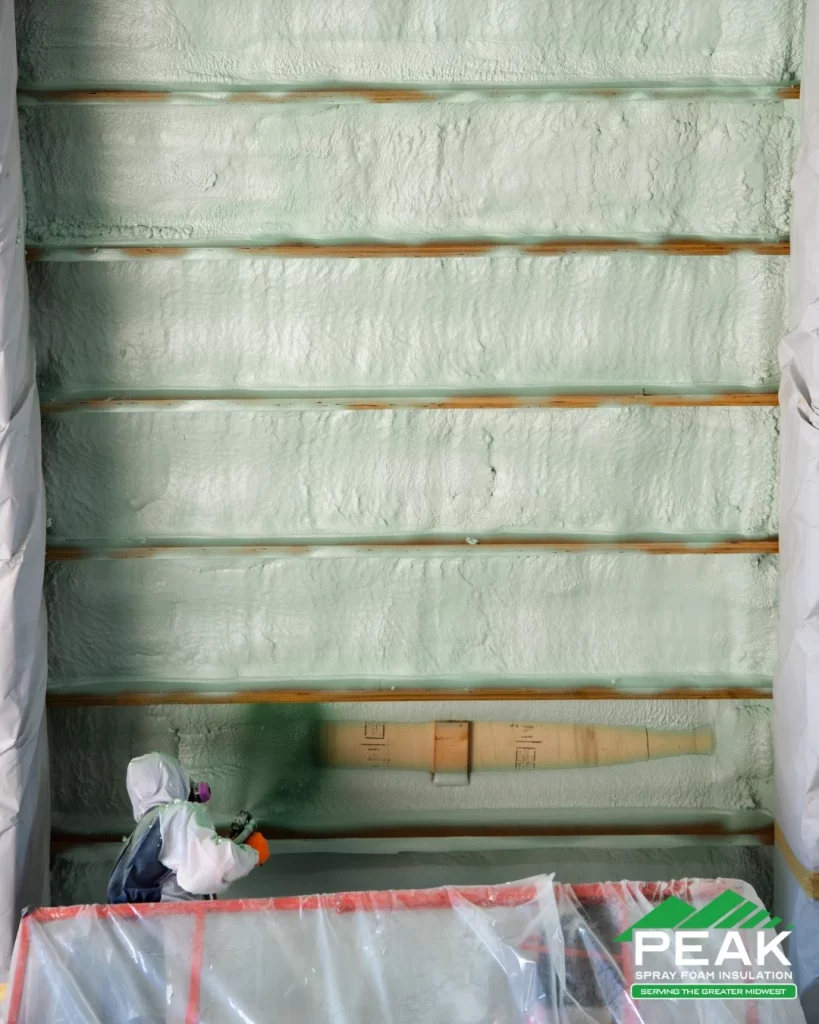
Closed-cell foam is about four times denser than open-cell, resists water instead of absorbing it, and delivers roughly R-6 per inch versus about R-3.6 for open-cell. Closed-cell spray foam insulation solutions provide these performance benefits, but you’re paying for more chemical per inch, so closed-cell typically costs more per square foot than open-cell at the same depth.
Closed-cell makes sense in damp areas, shallow wall cavities and roof decks. Open-cell or other insulation can make more sense for interior walls or roomy attic floors where moisture isn’t a concern.
Spray foam insulation cost is higher up front, so the payoff has to come from comfort and lower bills. The size of that payoff depends on your home and your energy rates.
ENERGY STAR estimates homeowners save about 15% on heating and cooling, or 11% on total energy costs, by air sealing and adding insulation in attics, floors over crawl spaces and basements. Closed-cell foam handles the air sealing and insulation in one step, which is a big part of its value.
You can get a ballpark number before anyone visits. Follow these steps:
Example: A 1,200-square-foot roof deck at 3 inches equals 3,600 board feet. At $1.00 to $1.50, that’s about $3,600 to $5,400 before extras.
A clear quote protects your budget. When you compare spray foam insulation installation cost from different companies, check that each one lists:
If one bid is far lower, check whether it uses thinner foam or leaves out prep.
If you’re weighing closed-cell foam for a crawl space, attic, basement or walls, the quickest way to a real number is a free quote. At Peak Spray Foam Insulation, we measure the space, recommend a depth that fits your R-value goal and put the price in writing so you know exactly what you’re paying for.
Call us at (612) 482-4742 or email [email protected] to schedule your free quote.
At 2 inches, 1,000 square feet equals 2,000 board feet, or about $2,000 to $3,000. At 3 inches, expect about $3,000 to $4,500. Hard access or removal work adds to that.
DIY kits exist for small patches, but larger jobs are tough to get right. Poor applicator technique, like improper mixing or wrong foam thickness, is a known cause of problems with spray foam. Bad mixing can leave foam that doesn’t cure properly and has to be removed.
It depends on the area and the R-value your local code requires. Walls often get 2 to 3 inches, while roof decks and attics usually need more to reach higher R-values.
The U.S. EPA notes that some manufacturers recommend 24 hours before re-entry for professional two-part foam, though the time varies by product. Ask your installer for the exact time before work starts.
No, not up front. Fiberglass batts cost less to install and give about R-2.2 to R-2.9 per inch. Closed-cell costs more but gives much higher R-value per inch and seals air leaks that batts leave open.