
There is the problem of your house being drafty․ You crank the thermostat up two more degrees‚ and the furnace runs all day‚ but one corner of the living room feels like October in January․ If you can relate to that‚ you’re not mistaken and you’re not alone․ The cost to air seal your home is one of the first questions people ask once they realize the problem is not the heating system at all․ Those are the hundreds of tiny openings through which conditioned air is leaking every hour of the day․
This guide will take you through the numbers involved, what makes them go up or down, why payback time is sometimes shorter than most homeowners realize, and how sealing pairs with insulation for cold-climate homes.
The cost of air sealing service a single family home ranges from around $350 to $2000. Most homes are sealed for less than $900․ A small one-story ranch home with a modest attic and a minimal amount of leaks may cost less than $600․ It won’t take much (a two-story‚ an unfinished basement‚ a couple of recessed lights‚ decades of settling) to discover that $2500 is a conservative estimate․
| Project Scope | Typical Price Range |
| Basic attic sealing | $350 to $1,200 |
| Whole-home sealing package | $1,000 to $2,800 |
| Rim joist and basement sealing | $300 to $900 |
| Blower door diagnostic test | $150 to $450 |
| DIY caulk and foam materials | $50 to $300 |
The spread exists for a reason. No two houses leak the same way, and pricing reflects labor time as much as materials.
Ever compare notes with a neighbor and wonder why their quote came in half of yours? It usually has nothing to do with square footage. It comes down to what a contractor finds once they actually get into the attic or crawl space.
A home with a dozen can lights, an open chimney chase, and unsealed stud bays takes far longer to seal properly than a tightly built ceiling plane with two or three obvious gaps.
Age: Older homes also tend to have decades of patchwork renovations‚ each leaving a hole or crack somewhere in the walls or attic floor․
Get a written quote that itemizes the scope of work‚ materials‚ labor hours‚ and tests before and after the work is done before signing your contract․
A blower door test is a way to figure out where air is escaping from your home. It uses a fan that is put in a doorway to either push air into the home or pull air out of it. This helps us find the spots where air is getting out so we do not have to guess.
When outdoor air gets into a house without being controlled, it is called infiltration. In a home in the United States, infiltration is responsible for about a third of the energy that is used for heating and cooling. This is a big deal, and it is why just sealing things without doing a test first can be a problem. You might miss the leaks that are causing the issues. It is like trying to fix a leaky roof without knowing where the water is actually coming from.
Doing a blower door test usually costs a hundred dollars extra, but it makes a big difference. It helps turn a sealing job into one that is targeted at the specific problems.
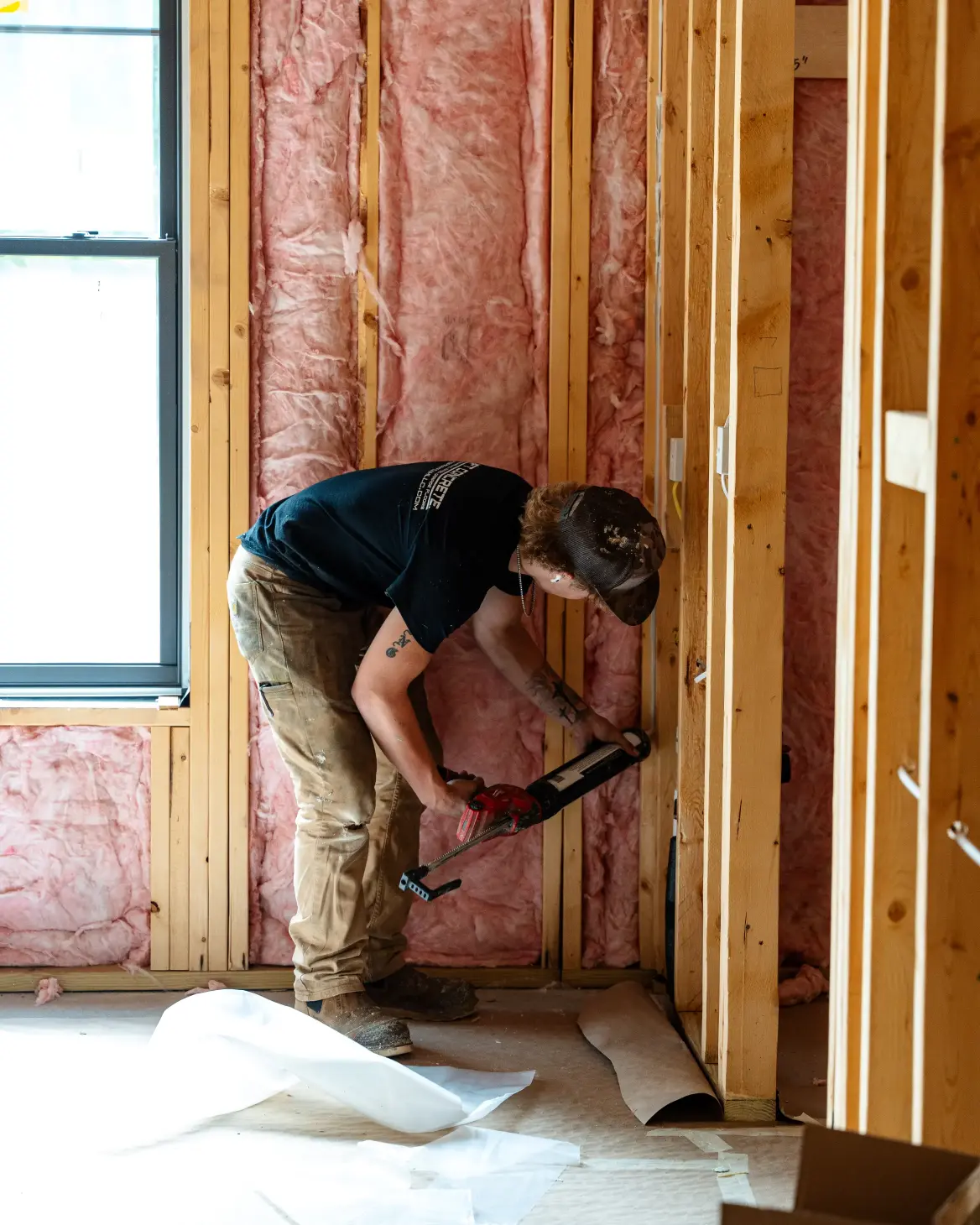
Contractors usually begin with the floor. This is where you can make the difference in making the building airtight. The things that get looked at first are the plates, holes for wiring, plumbing stacks, the attic hatch, and any dropped soffits. These areas are important because warm air goes up, and it pulls the air from the house through any gaps it finds in the ceiling. The attic floor is a place to start because that is where the warm air rises and where you can stop it from pulling the cool air out. Contractors focus on the floor and these specific areas to make the house more airtight.
Rim joists in the basement come next. This is the part of the structure where the base of the house meets the floor, and it is very likely to have leaks in houses built before the 1990s. Then doors, window frames, and outside electrical boxes are also covered.
Many people think insulation and air sealing are the same thing. They are not. Insulation reduces the movement of heat through walls and ceilings. Air sealing stops air from slipping through cracks in the place. According to the Air Infiltration and Ventilation Centre, an organization that studies airtightness around the world, air changes per hour, often called ACH50, is the common way researchers check how tight a building envelope really is….
That distinction matters for your budget and your results. Piling fresh insulation over unsealed gaps just buries the leak problem instead of solving it. Most building science guidance recommends sealing first, then adding or upgrading insulation once the envelope is actually tight.
Ask around online, and a pattern shows up fast. People rarely describe air sealing as dramatic. They describe it as the bedroom that finally holds temperature, or the draft by the front door that just stopped happening. Nobody posts regret about getting it done. The regret, when it shows up at all, is almost always about waiting so long to deal with it.
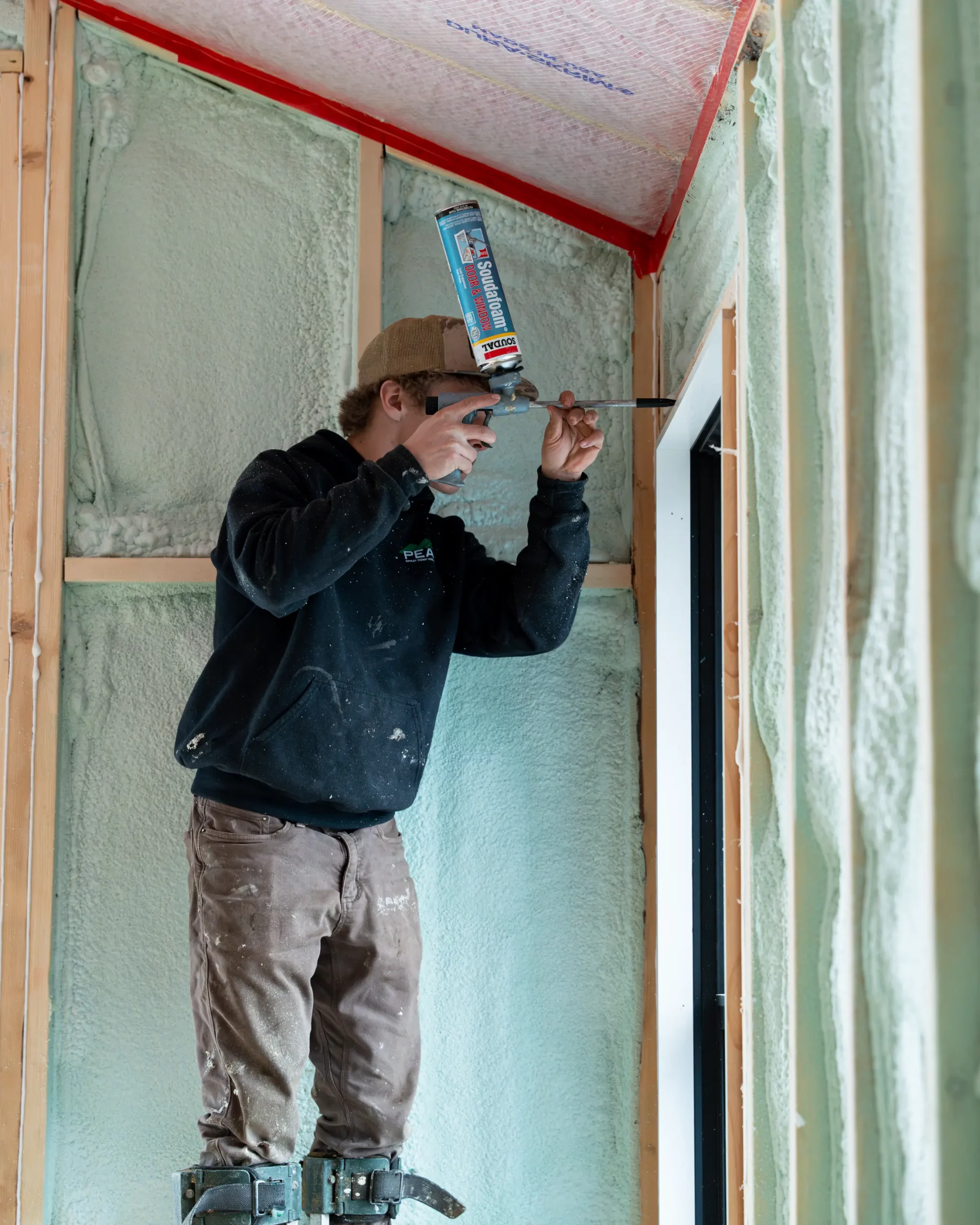
A few things stretch your budget further. Bundling air sealing with duct sealing or an insulation top-up in the same visit usually costs less than scheduling separate trips, since a crew is already on site with equipment set up. Working with an experienced air sealing company can also help you identify the most important areas to address and avoid unnecessary costs. Check for regional utility rebates too, since many programs subsidize part of the labor or materials cost for qualifying homes.
Before you call anyone, take a look around your home first. Check the outlets, the edges of the windows, and the attic door for any signs of air leaking in. This gives you an idea of what a professional should be looking for and helps you ask better questions once you start getting prices from different people.
For homeowners in Central Minnesota looking for a properly diagnosed, professionally completed job, our air sealing services walk through this exact process from assessment to final testing. Peak Spray Foam Insulation in Annandale, MN, offers free air-sealing assessments and quotes for homeowners across Central Minnesota and the Twin Cities metro.
Most homes take between four and eight hours, depending on attic size and the number of leaks found.
Small gaps around outlets, baseboards, and window frames are reasonable DIY projects, but attic bypasses near flues or chimneys need a professional for safety reasons.
Yes. Sealing the gaps around the envelope makes your heating and cooling systems work less, which can be seen clearly in your electricity bill each month.
Always seal first. Insulation over unsealed gaps traps the leak problem instead of fixing it.
It is the most reliable way to confirm the work actually reduced leakage, rather than guessing at results.