

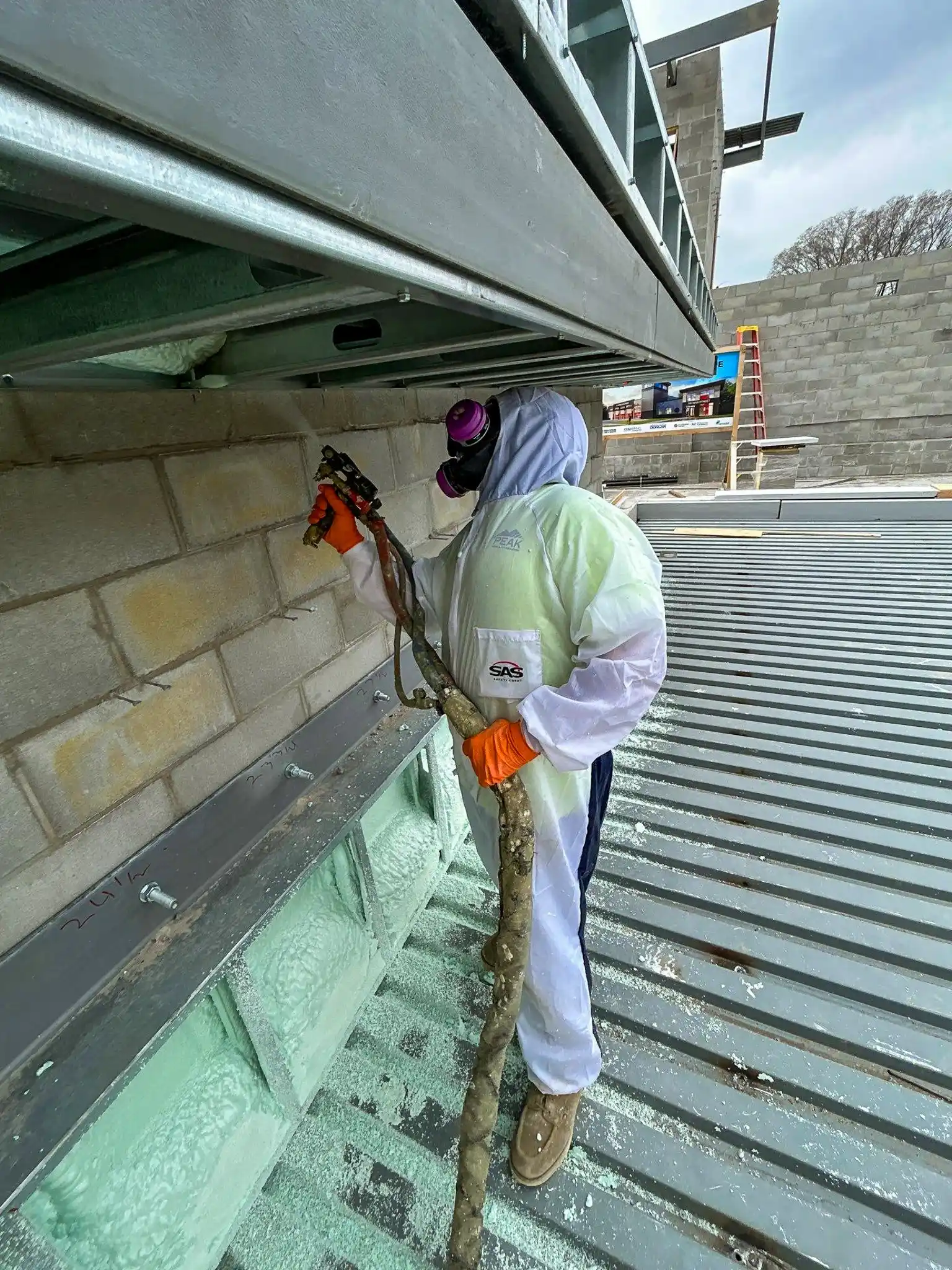
Closed-cell spray foam in Elk River, MN, solves the two problems that plague homes more than any others: tight, irregular cavities that fiberglass can’t fill, and moisture drive that ruins conventional insulation. As a medium-density, two-pound polyurethane foam, it expands into rim joists, crawl spaces, and masonry walls, then cures into a rigid layer that delivers roughly R-5.5 to R-6.5 per inch while acting as both an air barrier and a vapor retarder at sufficient thickness, according to Wikipedia’s overview of spray foam insulation. The right choice still depends on your assembly, your budget, and whether the space is dry, so a site evaluation matters before committing. Below, we break down where closed-cell excels, what it costs, and how to judge an installer before you sign.
Elk River, MN, has a hot-summer humid continental climate, sitting at the confluence of the Mississippi and Elk Rivers in Sherburne County. The numbers tell the story: January mean daily lows around 3.2°F, a record low of -40°F, about 31.9 inches of annual precipitation, and 39.5 inches of snow (Wikipedia, Elk River, Minnesota). That is a lot of water moving through soil, air, and framing every year.
Minnesota’s energy code reflects this severity. Southern Minnesota sits in Climate Zone 6, and residential code prescribes R-49 ceilings, sealed attic access, and blower-door testing to verify air leakage of no more than 3 air changes per hour in colder zones (Fresh Energy). Fiberglass batts and loose-fill products insulate by trapping air, but they do not stop air movement on their own. In a January cold snap, warm interior air carries moisture through gaps until it hits a cold surface and condenses. Wet insulation loses R-value, sags, and feeds mold, which is why the EPA states plainly that moisture control is the key to mold control (U.S. EPA).
Closed-cell foam starts as a two-part liquid, isocyanate and polyol resin, that expands 30 to 60 times its liquid volume and adheres to nearly any substrate. Each cell cures fully sealed, which is what gives the material its rigidity, its high R-value, and its resistance to water and air movement (Wikipedia, Spray Foam).
| Property | Closed-Cell Spray Foam | Open-Cell Spray Foam | Fiberglass Batts |
|---|---|---|---|
| R-value per inch | R-5.5 to R-6.5 | About R-3.6 | R-3.1 to R-4.3 |
| Air barrier | Yes | Yes at 5.5+ inches | No |
| Vapor retarder | Yes at sufficient thickness | No, open cells admit air | Requires separate material |
| Moisture exposure | Tolerates damp assemblies | Not recommended | Loses performance when wet |
| Best use | Rim joists, crawlspaces, masonry, exteriors | Interior walls, sound control | Standard open stud cavities |
The comparison matters for hard-to-reach spaces. When you cannot fit ten inches of fluffy insulation into a two-inch rim joist bay, R-value per inch decides whether the assembly works.
| Problem Area | Why Batts and Loose-Fill Fail | What Closed-Cell Foam Does |
|---|---|---|
| Rim joists and band boards | Irregular shapes, wiring, and plumbing leave gaps | Expands into every void and seals the sill plate |
| Crawlspaces | Damp floors defeat hygroscopic insulation | Seals walls, blocks ground vapor, stiffens framing |
| Stone or block foundations | Uneven surfaces cannot hold batts | Coats masonry directly as a continuous layer |
| Cantilevered floors and overhangs | Thin cavities, high airflow | Air-seals and insulates in one pass |
| Garages, shops, and pole barns | Large cavities, wide temperature swings | Delivers high R-value in shallow framing |
| Duct chases and attic knee walls | Gaps around obstructions leak air | Fills and bonds around obstructions |
Minnesota code even allows insulating crawlspace walls instead of floors over crawlspaces, provided the space is not vented to the outside (Fresh Energy). That provision exists because wall-insulated, sealed crawlspaces outperform ventilated ones in cold climates. Closed-cell foam is the standard way to get there.
Closed-cell spray foam solution is used to insulate boats, cargo vans, and cabins precisely because it provides thermal resistance and moisture protection in environments with fluctuating temperature and humidity (Wikipedia, Spray Foam). In buildings, it helps prevent condensation on walls and windows by keeping interior surfaces warmer and blocking humid air from reaching cold sheathing.
Two honest caveats apply. First, foam is not a waterproofing product; bulk water from grading problems, leaking foundations, or plumbing failures must be fixed first, or the foam will simply hide the damage. Second, long-term research shows closed-cell foam can lose some R-value over decades as blowing agents diffuse out, which is why rated values use a long-term thermal resistance figure rather than a day-one number (Wikipedia, R-value). Installed correctly on a dry assembly, it remains one of the most durable insulation options available.
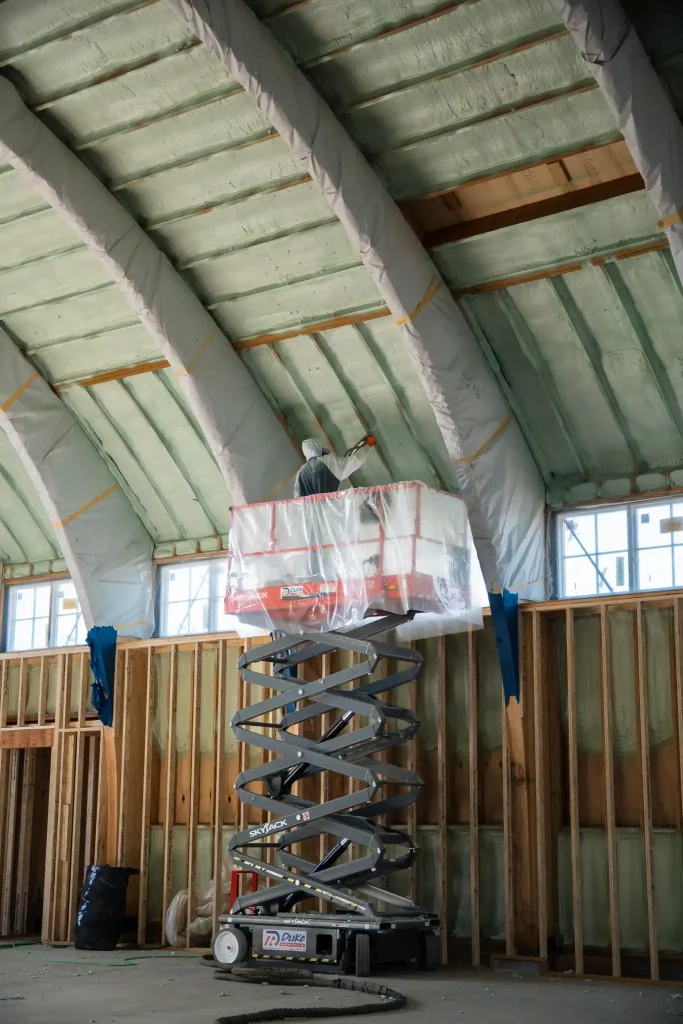
Our current project pricing, drawn directly from our job data, shows why scope drives cost more than anything else. Project size and scope is the single biggest pricing factor we track.
| Project Context | Recommended Approach | Typical Project Range | Average |
|---|---|---|---|
| Rim joists, crawlspace sealing, spot fixes | Closed-cell spray foam | $2,000 and up | $25,000 across all closed-cell scopes |
| Full attic retrofit on a standard home | Blown-in fiberglass | $1,000 to $130,000 | $6,000 |
| Open stud walls, new construction | Batt insulation | $1,000 to $60,000 | $15,000 |
| Pole barns and shops | Closed-cell or pole barn package | $15,000 to $200,000 | $30,000 |
| Commercial buildings | Commercial insulation scope | $5,000 to $200,000 | $30,000 |
Factors that push pricing up include larger square footage, greater thickness for higher R-value, labor availability, material price changes, difficult access, travel distance, roof pitch, existing moisture or mold issues, removal of old insulation, and low crawlspace height. Larger, open projects with easy access and minimal prep typically come in lower because our crew sprays more efficiently. Homeowners ask us most often about energy savings, smell and off-gassing, timeline, and available rebates, and we answer all four in writing before work begins.
At Peak Spray Foam Insulation, we specialize in closed-cell spray foam for the spaces other materials cannot handle, from rim joists and crawlspaces to pole barns and commercial buildings across the Elk River area. Our team evaluates moisture conditions first, then designs an insulation plan sized to Minnesota’s Zone 6 requirements, and we walk you through pricing factors before any foam leaves the gun. Reach us at [email protected] or call (612) 482-4742 to get started.
Schedule a Moisture Assessment
Cold winters and wet ground are not going anywhere, but with the right insulation plan, neither has to reach your living room.
Yes, crawlspaces are where it performs best, because it insulates the walls, blocks ground vapor, and air-seals the rim in a single application where batts would sag and absorb moisture.
At sufficient installed thickness, closed-cell foam qualifies as both a vapor barrier and an air barrier, eliminating the need for a separate poly sheet in most assemblies.
No. Active leaks, grading issues, and mold must be corrected first, since foam insulates and seals but does not remediate, and the EPA directs homeowners to eliminate moisture sources before anything else.
Most residential jobs finish in one to three days on site, though occupants typically stay out of the work zone during spraying and curing per our ventilation schedule.
Pricing tracks scope and conditions: square footage, foam thickness, access difficulty, travel distance, and prep work like old insulation removal or moisture correction all move the number, which is why we price by project, not by rule of thumb.