
For most sunken slabs that are still solid, lifting makes more sense than tearing them out. If you’re weighing Concrete Lifting vs. Replacement in Annandale, MN, lift when the slab is mostly intact and the soil can be stabilized. Replace when the concrete is crumbling, badly cracked, or poorly built. A quick look at the slab tells you which path fits.
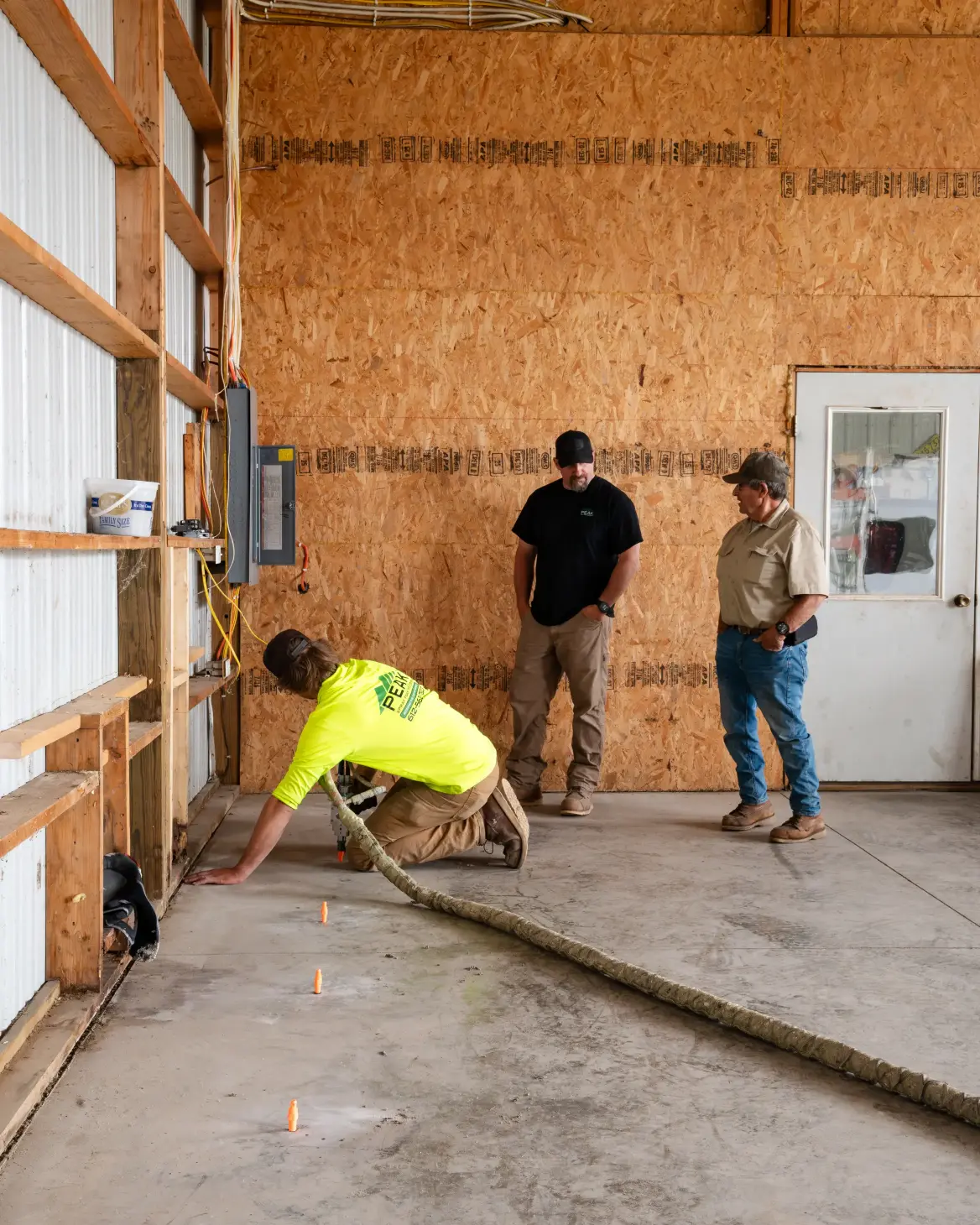
Both fixes start with the same problem: a slab that sank, tilted, or no longer sheds water. They solve it in very different ways, with very different mess and downtime. Lifting means we drill small holes through the slab and inject material underneath to raise it back to level. The concrete stays put, so your landscaping, edges, and neighboring slabs stay put too. Many homeowners searching Concrete Leveling in Annandale, MN want this route first because it avoids demolition.
Replacement means breaking out the old slab, hauling it away, rebuilding the base, and pouring new concrete. The new slab then needs time to cure before you can drive or walk on it. It’s a bigger job, but it resets everything from the ground up.
Slabs rarely sink for no reason. Knowing the cause tells you whether a fix will hold or whether you’re setting up a repeat. Water is usually the culprit. It washes soil out from under a slab or soaks soft ground until it compresses. On test pavements, Minnesota’s Local Road Research Board found that clay subgrades heave more than sand ones, and that better drainage reduces frost heave.
Frost heave needs three things at once: frost-prone soil, enough moisture, and freezing temperatures, according to Concrete Network. Minnesota winters supply the cold. That makes downspouts, grading, and soggy spots worth checking before you pick a fix.
Lifting fits best when the concrete itself is healthy and only its position has changed. These signs point that way:
If that sounds like your slab, Sunken Concrete Repair in Annandale, MN is often a lifting job, not a demolition job.
Some slabs are past the point where lifting helps. Raising broken concrete just gives you a level pile of broken pieces.
In those cases, Concrete Replacement in Annandale, MN gives you a clean start. It’s the right call even though lifting costs less.
This table shows how the two fixes stack up on the points homeowners ask about most.
| Factor | Lifting | Replacement |
|---|---|---|
| Work involved | Small holes and injection | Demolition, hauling, new pour |
| Downtime | Usually short | Cure time before use |
| Cost | Often lower | Often higher |
| Best for | Solid, sunken slabs | Broken or failing slabs |
| Base and soil | Doesn’t fix drainage alone | Allows a rebuilt base |
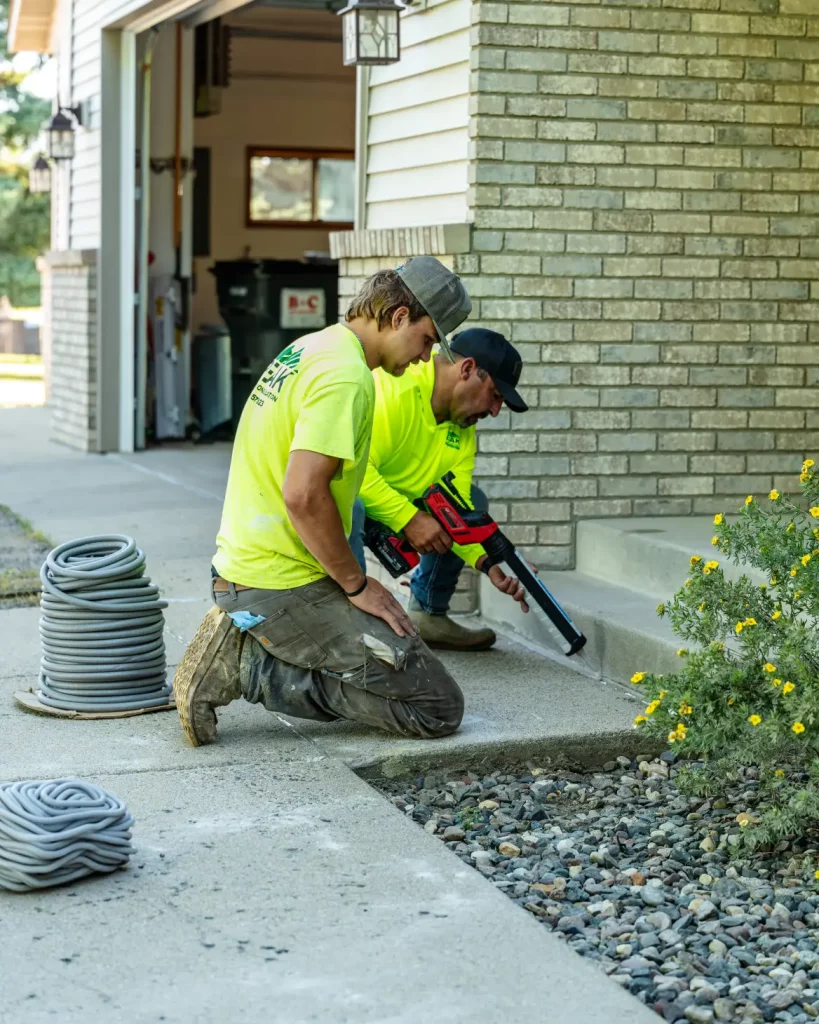
You don’t need special tools to get a good first read. A short walk around the slab answers most of the question.
Cost pushes many homeowners toward lifting. Methods vary, and Angi reports that mudjacking usually costs much less than polyjacking, mostly because of the injection materials. Slab size, how far it dropped, and access change the price either way.
At Peak Spray Foam Insulation, we look at the slab’s surface, the drop between sections, and where water collects. Sometimes that points to lifting. Sometimes it means telling you replacement is smarter, and we’ll explain why.
Not sure whether your slab can be lifted? Call or email us for a free quote, and we’ll look at your concrete with you.
It can if water keeps washing out or softening the soil underneath. Fixing drainage at the same time is the best protection.
No. Lifting raises and levels the slab, but the cracks stay. Hairline cracks can be sealed afterward, while heavily broken slabs are better replaced.
Yes. A single panel can be raised to match the ones beside it, so you don’t have to redo the whole walk.
Most concrete lifting jobs can be completed in just a few hours. The lifted slab is usually ready for light foot traffic right away and full use shortly after.
Usually, yes. Uneven edges are trip hazards, and pooled water keeps washing soil out from under the slab. Smaller problems tend to be simpler to fix.