
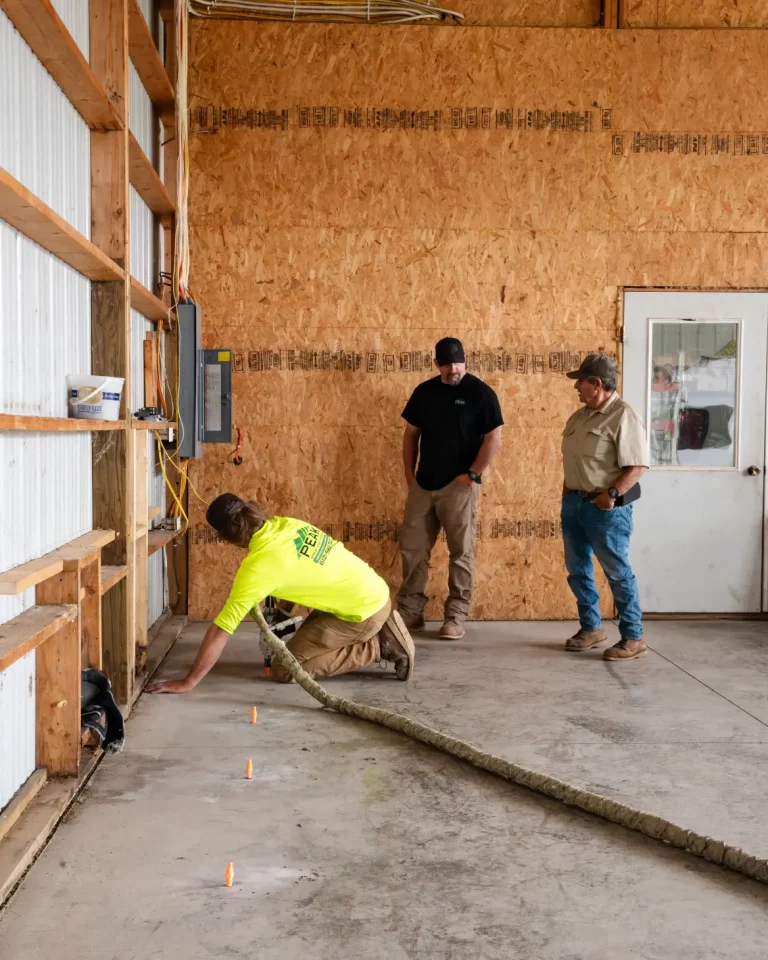
Concrete Lifting in St. Michael, MN repairs using polyurethane foam often last 10 to 20 years or more. Some repairs can last as long as the slab itself. Lifespan depends on soil, drainage, and frost, so fixing water problems first, before lifting, gives your repair the best possible chance of holding.
Most homeowners want a straight number before they spend a dime. Here’s what we tell people: a properly done foam repair often holds for 10 to 20 years, and sometimes much longer.
A-1 Concrete Leveling says foam lifting can last for the life of the concrete itself, which can be 20 to 50+ years. It also says that depends on the job being done correctly and the repair being maintained afterward.
The lifespan of concrete leveling depends less on the product and more on what’s happening under the slab. If the ground stays dry and stable, the repair has a good shot at lasting. If water keeps washing soil away, you’ll likely see the slab settle again.
| Condition Under the Slab | Likely Effect on Lifespan |
|---|---|
| Dry, stable, well-compacted soil | Repair can last for decades |
| Wet clay or loose fill | Repair may settle again sooner |
| Downspouts draining next to the slab | Soil washes out, shortening the repair |
| Heavy loads such as trucks or RVs | More stress on the slab and foam |
Slabs sink when the soil under them moves, shrinks, or washes away. Minnesota winters add freezing and thawing on top of that, which gives the ground plenty of chances to shift.
Research from the Minnesota Local Road Research Board found that clay subgrades experience more frost heave than sand subgrades. The same research found that better drainage means less heave. Your driveway isn’t a highway, but the same soil rules apply.
Other causes show up on our jobs all the time. A-1 Concrete Leveling lists soil erosion, burrowing pests, and poor compaction as common reasons concrete settles. Lifting fixes the gap that’s already there. It doesn’t stop whatever made the gap.
Every slab is different, so two repairs done the same week can age differently. A few factors do most of the work.
Concrete lifting durability also depends on the original pour. A thin slab on poorly packed soil will always be more likely to settle than a thick slab on a good base.
It can, but the honest answer is more nuanced than most ads let on. Foam is lightweight and water-resistant, so it adds little weight to soil that’s already struggling.
Mudjacking uses a heavier cement-based slurry. That extra weight and its exposure to water are why many homeowners see settling return sooner. That said, A-1 notes that any leveling method can last a long time when it’s done correctly and maintained.
So the method matters, but the cause of the settlement matters more. If water is still undermining the slab, no material will fix that.
You can add years to a repair with a few simple habits. Most cost very little.
Do these once, then check them each spring after the thaw. Catching a small problem early beats lifting the same slab twice.
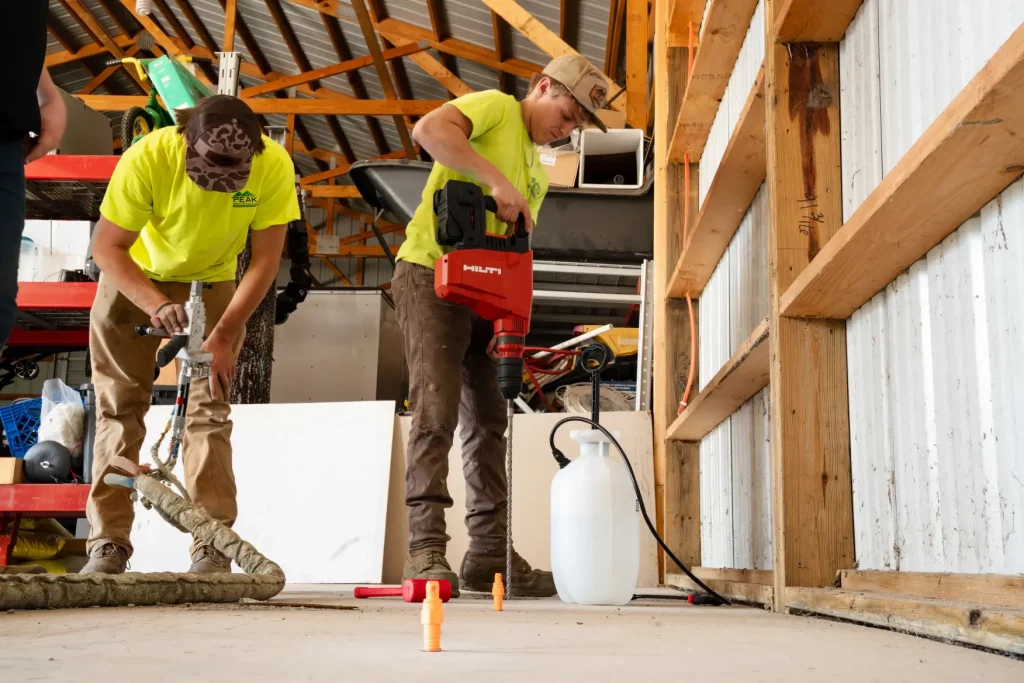
Lifting works best on slabs that are still solid but have sunk or tilted. Concrete raising makes sense for sidewalks, steps, patios, driveways, and garage floors that are in decent shape. Find us on Google Maps to locate our service area.
Some slabs are too far gone. If the concrete is crumbling, badly broken, or structurally failing, lifting only buys you a short break. In those cases replacement is usually the smarter spend.
We’ll tell you which situation you’re in. If we think your slab needs to be replaced, we’ll say so.
If your slab is sinking, tilting, or collecting water, don’t wait for winter to make it worse. Concrete Leveling in St. Michael, MN homeowners count on starts with a close look at what’s causing the problem.
Peak Spray Foam Insulation offers free quotes, and we’ll walk your property with you and explain what’s going on under the slab. Then you can decide what makes sense.
Foam sets fast, and we’ll tell you exactly when it’s safe to use the area after the job. Heavier vehicles may need a little more time than foot traffic.
The holes are small and get patched, so they blend in with the surrounding concrete. Slight color differences can show up on older slabs.
Yes, as long as the slab itself is sound. Driveways carry more weight than walkways, so we check slab thickness and soil support first.
It often costs less than tearing out and repouring, and it’s usually faster. The exact savings depend on the size and condition of your slab.
A hollow sound when you tap the concrete, gaps along the edges, or standing water are common signs. We can confirm it during a free quote visit.